
Researching the Red Yellow Blue Silk Road Exhibition
RYB Global Development is an online platform focused on culture and global development. It runs several frameworks and projects, one of which is the Cosmology of Peace, an approach that turns shared philosophy into research and cultural projects, including the touring Red Yellow Blue Silk Road exhibition. Within that framework sit several operational pillars, one of which is the Red Yellow Blue Silk Road: a global research project and touring exhibition tracing how civilisations across history, from ancient China outward, independently converged on the same three primary colours to record meaning, order, and connection. This page follows the research that will shape the exhibition. Explore the full framework on RYB’s Cosmology of Peace page, or its wider Culture of Peace programme.
Researching Colour, Light, and Symbol
The exhibition research builds directly on RYB’s own research into how red, yellow, and blue marked rank, direction, and cosmic order across ancient textiles, porcelain, manuscripts, and carpets. Colour was rarely decorative on its own. It was carried inside symbols and objects, worn on the body, woven into geometry.
Two further themes run alongside colour in our research: light and symbol. Light is what makes colour visible in the first place. Red, yellow, and blue are the primary colours of light as much as of pigment, so we are researching how light shapes the way each artwork is seen and understood. Symbol is the second: the way colour was historically carried in form, from carpet geometry to court dress to objects worn or displayed. The research asks how that same instinct can continue in new, original red, yellow, and blue art.
Researching Water
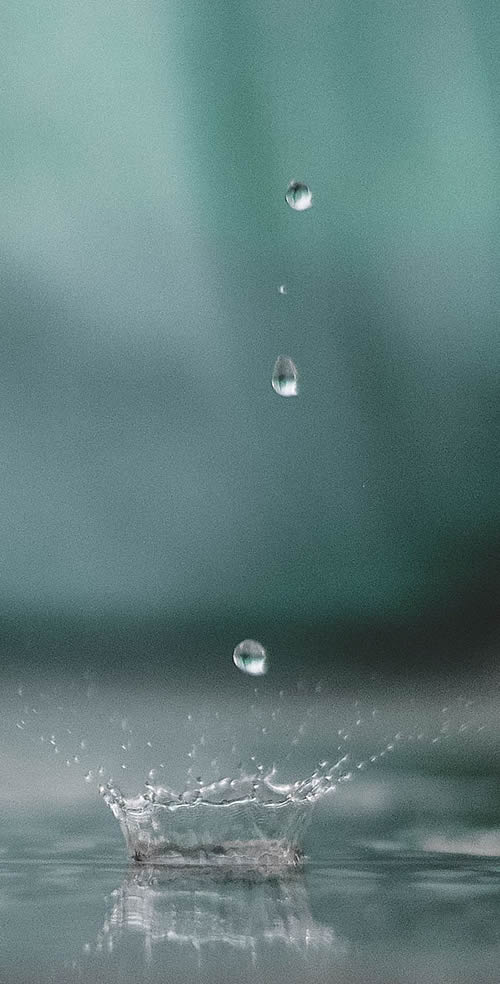
Water is a third theme in our research. It is not a separate subject, but something already present in the history itself. The dyes behind the Silk Road’s colours were water-based: indigo fermented in vats, madder extracted and fixed in water, cobalt glazes mixed and fired with it. Water carried the goods too. The rivers and oases made the overland routes possible, and the Maritime Silk Road moved as much as any caravan. It makes sense, then, to research how water can also become a theme within the exhibition itself.
Water also carries urgency today, and that belongs in the research as much as the history. Glaciers are melting across the Himalayas. In August 2026, a glacier collapse above the Nepal-China border sent a wall of ice, mud, and water down the mountains within minutes, killing over a thousand people.
The threat isn’t only in the mountains. It’s also in the laundry room. Washing synthetic clothing is responsible for an estimated 35% of the primary microplastic pollution entering the world’s oceans. As a project connected to fashion and design, this isn’t a comfortable fact to leave out. It belongs in the conversation.
More Than an Exhibition
The Red Yellow Blue Silk Road exhibition is also, in part, a form of protest art. It uses the same colours that once carried trade and meaning to now carry a warning. The ancient Silk Road itself was never only a story of exchange. It carried science, art, and cultural richness between civilisations, but also slavery and trafficking, exploitation folded into the same routes that carried silk and colour. Many of those same fault lines are still visible today, only in different forms: geopolitical conflict along old trade corridors, pollution moving through the same waters that once carried dye and porcelain. Our research does not separate these histories from each other. It shows the evolution of colour and humanity as one continuous, unfinished story, told across every dimension of society, art, and culture, including its darker chapters.
One symbol our research draws on directly is the Doomsday Clock, maintained since 1947 by the Bulletin of the Atomic Scientists to represent how close humanity stands to global catastrophe, with midnight marking the point of no return. As of January 2026, the clock stands at 85 seconds to midnight. That’s the closest it has ever been in its history. It functions here as a kind of alarm clock, a reminder that the same forces once carried along the Silk Road (ambition, exchange, exploitation, and now pollution and conflict) have never fully left.
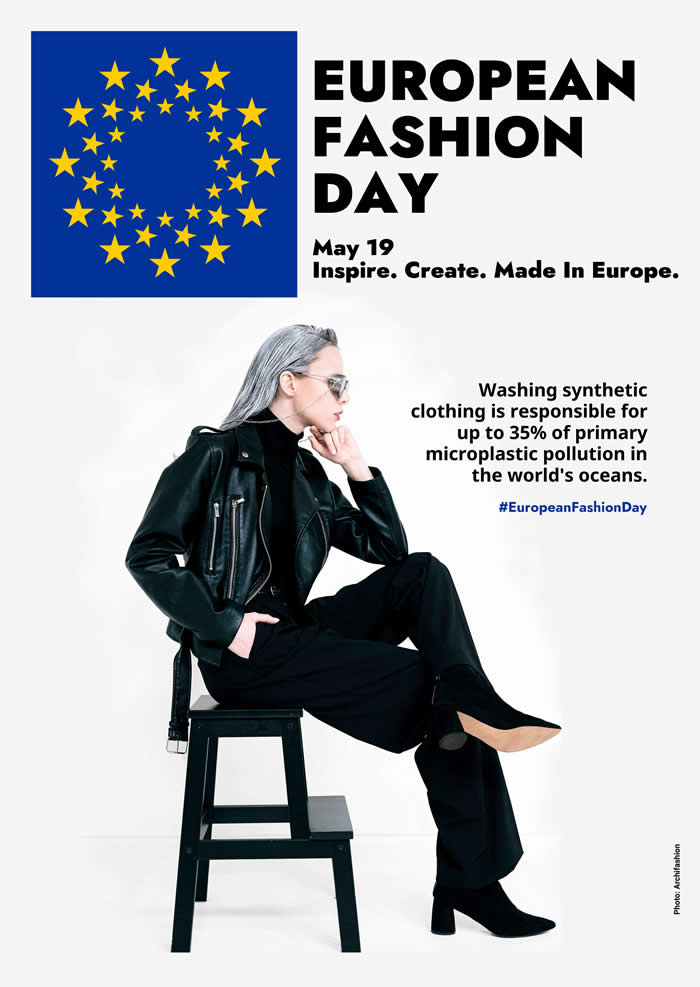
Poster created for the European Fashion Council’s European Fashion Day (19 May), highlighting the 35% microplastic figure.
Because this project is grounded in research, it can also make room for the work of others. The poster above, for instance, was created for the European Fashion Council‘s European Fashion Day, an organisation the project is connected to through its own work on sustainability. Other organisations and artists working on related causes may contribute to the research and, in time, to the exhibition itself.
Part of a Culture of Peace
This work is rooted in UNESCO’s Culture of Peace programme, a framework that has existed for decades but has been left underused while the world grew more divided. Wars are increasing. Governments are rediscovering that cultural diplomacy is not a luxury, but one of the few tools that can rebuild trust between nations when politics alone cannot. Researching and developing this exhibition is one way of joining that programme: through artworks, through research made visible, and through dialogue that reaches across borders instead of across conflict lines.
Colour, light, symbol, and water are the materials. Bringing people together is the work.